
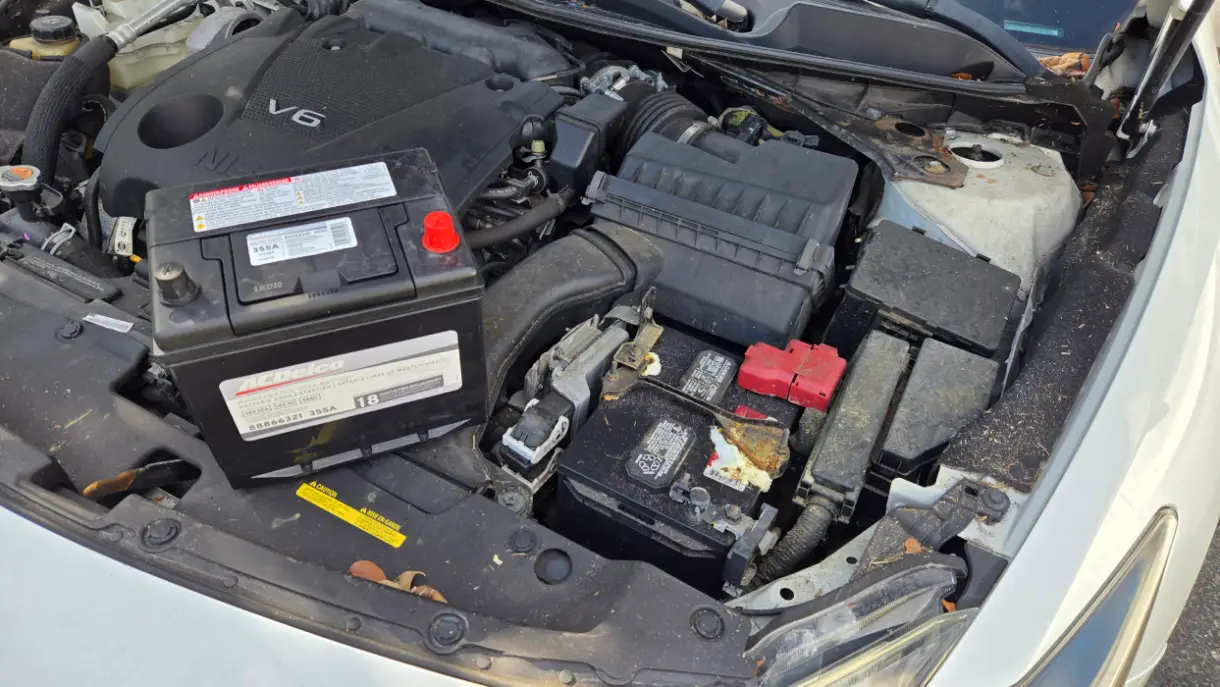
If you live in South Florida, particularly around Fort Lauderdale, Hollywood, Pembroke Pines, Plantation, Davie, Sunrise, Pompano Beach, Coral Springs, Boca Raton, or Miami, chances are you’ve peeked under your hood and noticed a strange crusty buildup on your car’s battery terminals. That white, blue, or green powder might look alarming, but its actual corrosion is a very common and fixable problem that affects drivers across our hot, humid coastal region.
Battery terminal corrosion occurs because your car battery is essentially a miniature chemical factory. Inside, lead plates and sulfuric acid react to produce electricity for starting your engine and powering accessories. During this process, small amounts of hydrogen gas and acid vapors escape. When these vapors interact with the metal terminals and the salty South Florida air, they produce corrosion. The warm, humid, and often salty environment of cities like Fort Lauderdale, Hollywood, and Pompano Beach makes corrosion happen faster than in cooler climates.
Why Does This Happen?
South Florida’s climate accelerates battery corrosion. High heat speeds up chemical reactions inside the battery, while humidity and coastal salt accelerate the oxidation of metals. Residents of Fort Lauderdale Beach, Miami Beach, and nearby coastal areas are particularly affected, but even inland cities like Coral Springs, Plantation, and Sunrise aren’t immune to fast-developing corrosion.
Vehicles in this region may see batteries aging sooner than the national average. While many cars in cooler climates last five or more years without issue, South Florida drivers often need replacements within three to four years due to the combined stress of heat, humidity, and daily driving conditions.
Common Causes of Car Battery Corrosion
Corrosion isn’t just caused by climate; it often points to mechanical or maintenance issues:
- Aging Battery – A battery over three to five years old, common in cities like Davie or Boca Raton, may have weakened seals, allowing more gas and acid vapor to escape, which accelerates corrosion.
- Loose Connections – A loose battery cable clamp increases resistance and tiny electrical arcs, speeding up corrosion. Mechanics frequently see this in Fort Lauderdale and Hollywood vehicles, complaining of slow starts.
- Overcharging – If the alternator or voltage regulator is sending too much power to the battery, hydrogen gas production increases, which creates more corrosion. This can affect cars all across South Florida, from Plantation to Pompano Beach.
- Acid Leakage – Cracked or worn battery casings can leak acid directly onto the terminals, causing heavy, fast-forming corrosion.
- Environmental Factors – Salt, humidity, and heat accelerate corrosion in all South Florida cities, particularly near coastal areas like Fort Lauderdale Beach, Miami Beach, and Boca Raton.
Signs Car Battery Corrosion is Affecting Your Car
Drivers across Fort Lauderdale, Sunrise, Pembroke Pines, and Coral Springs should watch for:
- Slow engine cranking
- Clicking when turning the key
- Flickering interior lights
- Electrical accessories malfunctioning
- Difficulty starting the car
Frequent corrosion can block electricity flow and make even routine starts a frustrating experience.
How to Clean Your Car Battery
Professional mechanics in Fort Lauderdale, Hollywood, and Boca Raton use a tried-and-true method: baking soda and water. Baking soda neutralizes the sulfuric acid, safely removing corrosion.
Steps for cleaning:
- Disconnect battery cables (negative first)
- Mix baking soda with water
- Apply to corroded terminals
- Scrub gently with a brush
- Rinse and dry
- Reconnect cables and tighten
Many local mechanics also apply dielectric grease or anti-corrosion spray to prevent buildup from returning, especially useful for vehicles in humid areas like Pompano Beach or Miami.
Preventing Future Car Battery Corrosion
South Florida drivers can minimize corrosion with these tips:
- Dielectric Grease: Seals terminals against moisture and air
- Anti-Corrosion Washers: Felt rings that neutralize acid vapors before they corrode
- Regular Inspections: Check terminals during oil changes or routine maintenance
- Battery Replacement: Replace batteries older than three to four years, especially in Fort Lauderdale, Hollywood, and Coral Springs, to avoid sudden failure
Common Car Battery Myths Debunked
- Pouring Cola Works: False! It dissolves corrosion but leaves sticky residue that attracts dirt.
- Corrosion Means Dead Battery: Not always; sometimes, a simple cleaning or tightened connection is enough.
- Maintenance-Free Batteries Never Corrode: Even sealed batteries produce gases during charging and can develop corrosion over time.
Do’s and Don’ts for South Florida Drivers
Do:
- Inspect battery terminals regularly
- Keep connections tight and clean
- Use protective grease or washers
- Replace old batteries proactively
Don’t:
- Ignore heavy buildup
- Use metal tools across both terminals
- Overtighten clamps
- Drive with a cracked or leaking battery
These precautions are particularly important in South Florida, where heat, humidity, and salt accelerate corrosion.
When to Replace Your Car Battery
Signs your battery may need replacement:
- Corrosion returns quickly after cleaning
- Slow engine cranking
- Frequent jump starts
- Battery older than 3–4 years
- Swollen or leaking battery casing
Residents of Fort Lauderdale, Hollywood, Boca Raton, Plantation, and Miami often find themselves replacing batteries earlier than the national average due to our hot, humid climate.
The Bottom Line
Battery terminal corrosion may look scary, but it’s usually a simple problem. Regular inspection, cleaning, and protective measures can keep your car running smoothly. Drivers in Fort Lauderdale, Hollywood, Davie, Sunrise, Plantation, Pompano Beach, Coral Springs, Boca Raton, and Miami can avoid many starting problems by taking a proactive approach.
Think of battery maintenance as car hygiene; a little attention now prevents larger issues later. Next time you see chalky buildup under the hood, remember: your car isn’t falling apart, it’s just doing a little chemistry experiment.
Fortunately, now you know how to stop it and keep your South Florida vehicle starting strong year-round.
